I'm almost SURE the tomato you are thinking of is Marianna's Peace. It hit the market Via Tomatobob about twenty or so years ago, with some BS story about being smuggled out by some immigrant family in WWII as the only possession they could save from their family (and a consequently enormous per seed price). It turned out to just be another pink tomato, and not a very good one.
I'm VERY suspicious of ANY heirloom seed that claims to have been discovered sealed in some cave or tomb. While it is true that some seeds can last a very long time under proper conditions, these stories make it sound like being viable after hundreds or thousands of years is a day to day occurrence, and never needs help (i.e. there is no mention of the first grow out being done in a lab which has access to germination enhancers.) It OCCASIONALY happens (for example, the thing with the Judean date palms seems legit) but it is a rare occurrence. And the fact that a bunch of old caves and tombs are STILL used for storage (which means that, even if you find seeds there, they don't necessarily have to have been there since the tomb was made/occupied.) and you have another layer of confusion.
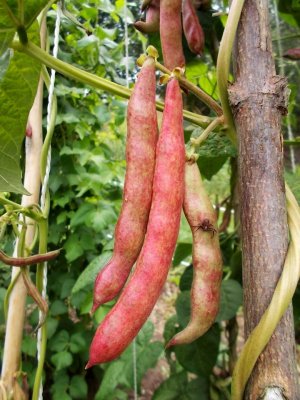
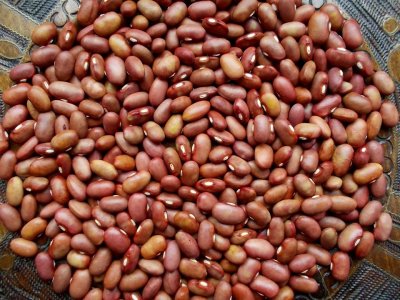
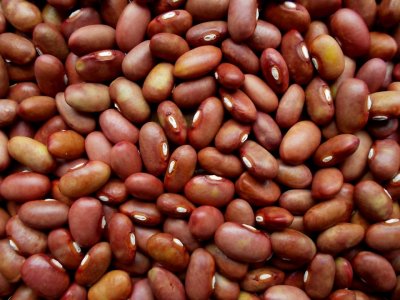
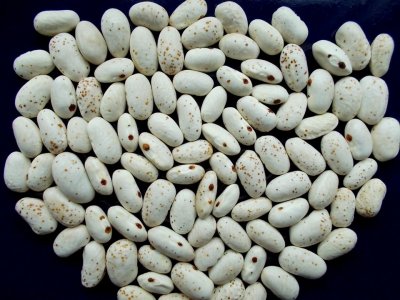
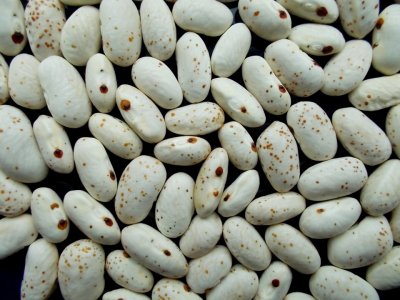
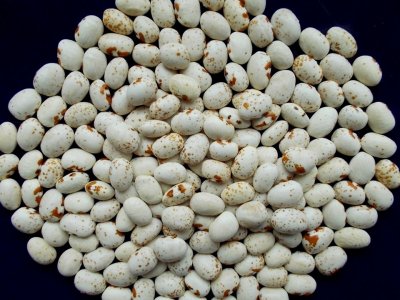
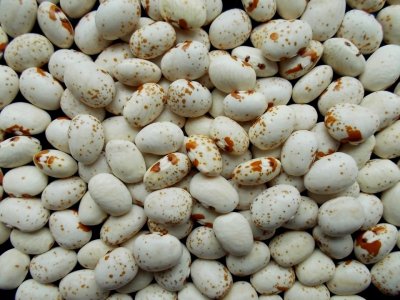
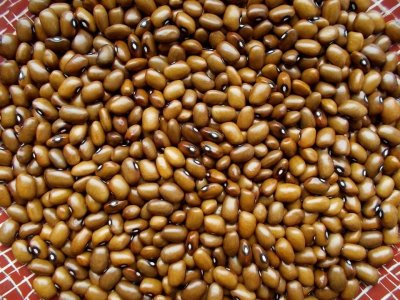
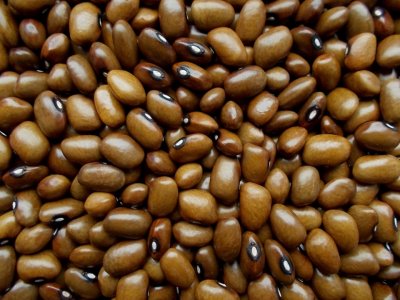
Then there is the matter of translation errors. The bean you are calling Knuttle I learned as "Gnuddle", since that was how it was spelled on the Amishland site where I saw it.
For a long time, I thought there was a tomato called "Crimean Nights" until I realized someone had translated Black Krim into French (where it would be Noir d' Crimee" and then mis-translated it back. And then there was Black Moor, which was the same thing as Black Mavr.
On the flipside, I have had problems with the fact there is both an English pea AND a Grass Pea called "King Tut". Or that there is both a flour corn and a tomato called Bloody Butcher. Makes it hard to tell what you are getting.