Well in the case of the Kosmic Kale it is for easy propagation of new plants. When you harvest the Kosmic kale leaf a new plant grows out of the harvested node. After a few weeks that plant can simply be pulled off and put in soil - store it out of sunlight for a few weeks and you have a new plant.
On the topic of over wintering; it is generally understood that biennial kale will go to seed in the second year and then promptly die. So you don't get much of a harvest over two years - though I use my second year kale florets as a brocolli substitute. In the case of the perennial kales that are zone hardy, that isn't an issue as you well get several years (5+ or more) from your plant without any of the work.
Perennial kale require fewer nutrient amendments because their wide and deep root system developes over several years and mines enough nutrients over a large area, so they typically produce more year after year without any additional inputs. You get more energy out than energy you put in. This is absolutely true if you can grow purple tree collards as a perennial in your zone.
Perennial kale are also less likely to have pest issues. As a perennial they are generally considered more evolved than their annual cousins and have adapted to pest issues over ions or whatever.
Having said that, I do both. The perennial kale is a reliable crop that in the case of kosmic kale is a totally unique edible green. But dinosaur kale is amazingly tasty as well as a lot of the other varieties. In my garden I have at lease a dozen kale varieties from Dino kale to blue vates dwarf and the perennials.
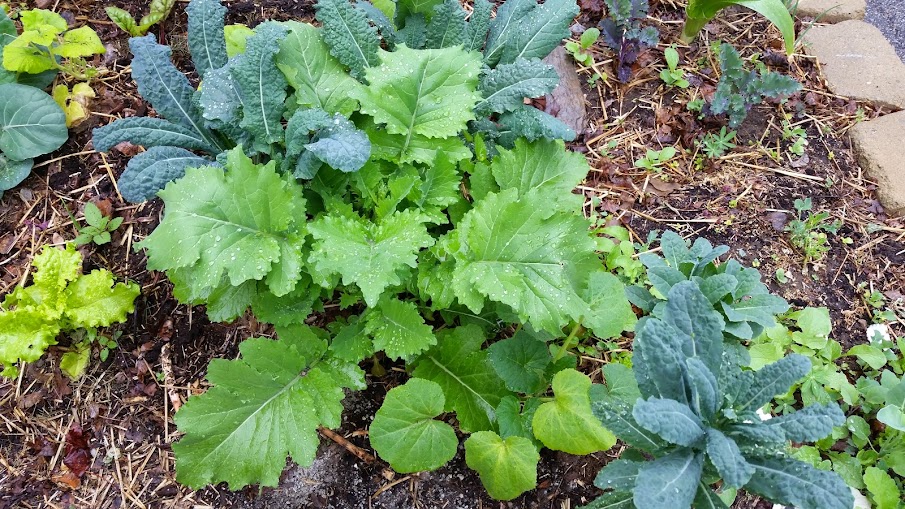
Dino Kale and Violet Kale on the right.
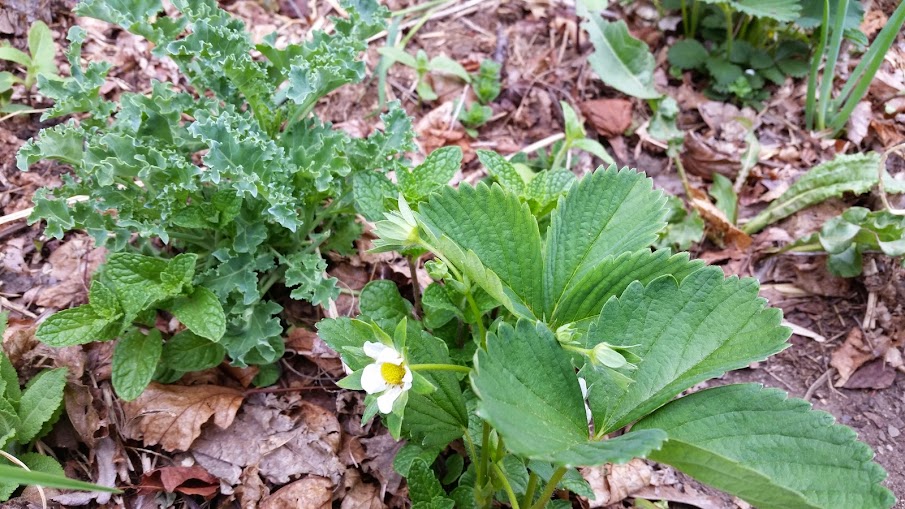
Dwarf Siberian above the mint behind the strawberry.
I'll make a video on the topic and I'll post it to my youtube channel.
https://www.youtube.com/channel/UCupxmRhzQs14I8fSuLifT-w/videos






 My mother was into health foods. It was something of a family thing. Her brother was featured in a health magazine back in the early 50's.
 .
.


