@ducks4you, Wanted me to talk about my soil preperation and the way I set up my poles.
Soil preperation is very important for growing really good gardens. Soil needs to be worked deep enough and needs to be pulveizerd so it's very fine. It's not good to work soil when it's too wet. Then it just becomes cloddy and full of hard lumps and often will remain that way for the rest of the season especially topsoils that contain enough clay. Soil that is cloddy and lumpy will often give you stunted plants. They can't seem to set down a good root system to grow to their potential. Work soil when it will crumble apart and become broken down fine with enough work overs.
Most of my plots are too large to turn over in the autumn with a spading fork or shovel. Sometimes I will turn over the soil in my flower beds and just flip over a shovel full of soil and leave it that way in one large chunk. The weather and winter freezing and thawing will break in it up and soften it so it becomes easier to work with the next spring.
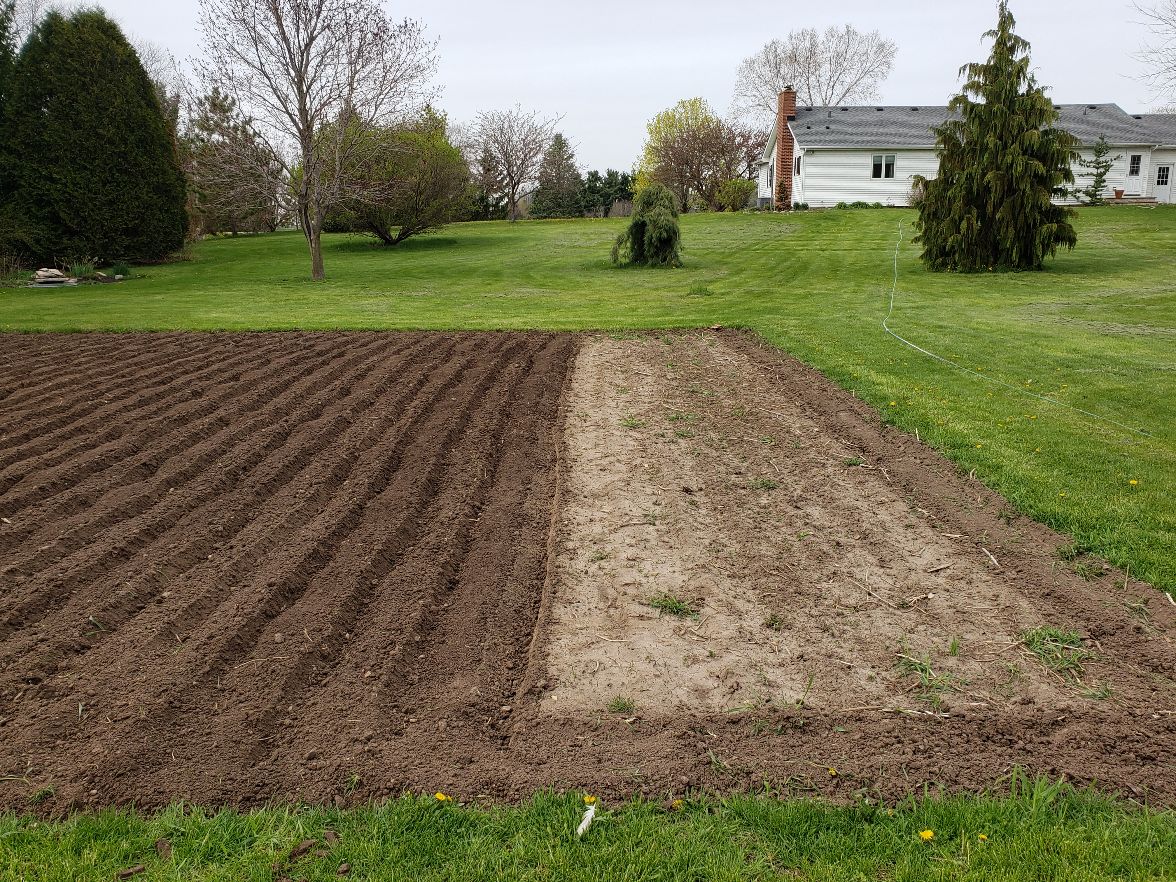
With my roto-tiller I work most of my beds with my Troy-Bilt Super Bronco. I like this model because it has tines the rotate the opposite way the wheels are turning. They call that reverse rotating tines. This machine when used at a decent moisture level will really pulverize the soil nicely. I often till all my plots with it in early in May to keep weed growth down usually one time. Just before I plant I might till a plot three or four times. Below is my large bean plot this year that is mostly tilled. I came back and finished it the next day. It was early May and it was 45 degrees all during most of the daylight. The soil here has been tilled north and south. When I finish that I will cross till it east and west. When I plant I will do this same thing then till it the third time in the same direction I'm going to plant my rows. This piece of ground is a bit over 2,300 square feet and takes me about 2.5 hours to go over it one time. The soil on this day was a little on the dry side but as you can see by the photo is was being pulverized nicely. When I plant I probably have the soil tilled to about 5 inches deep.
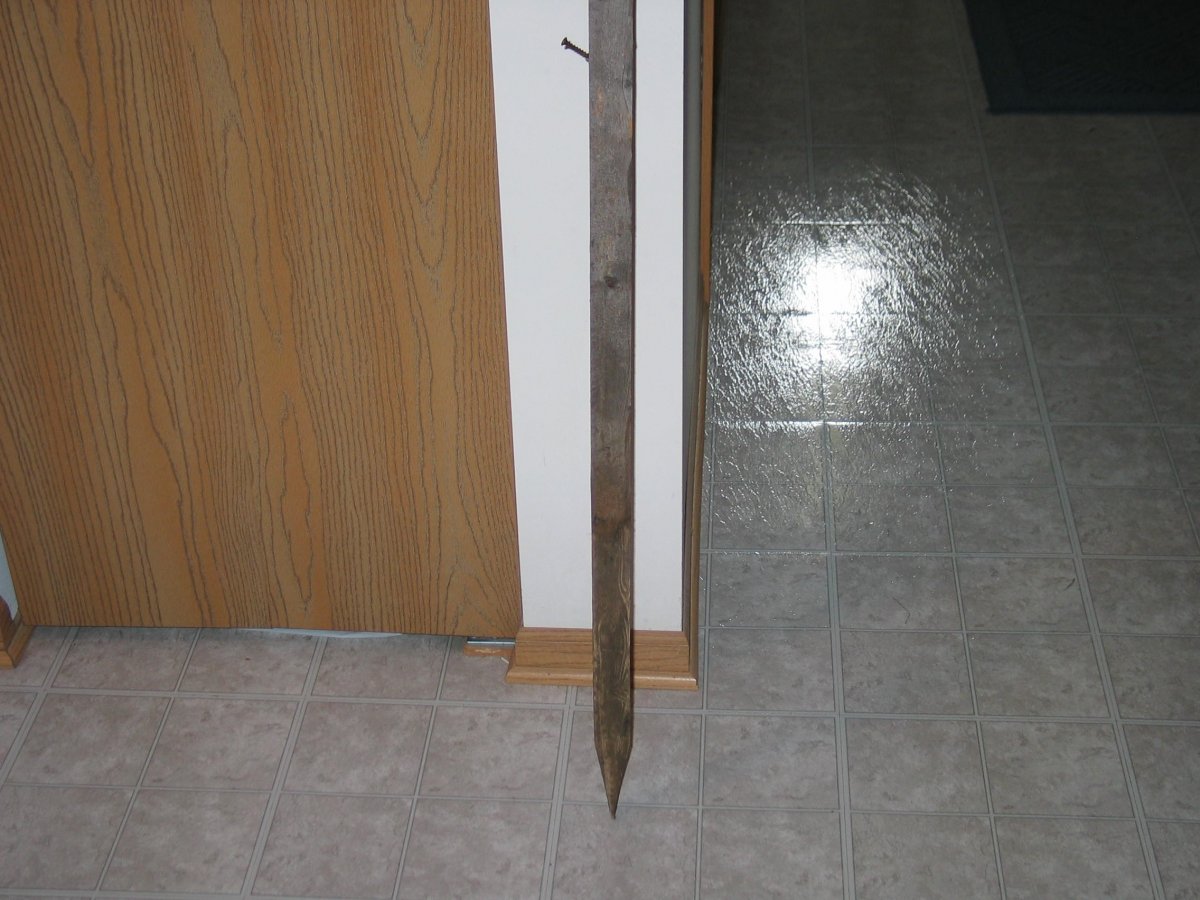
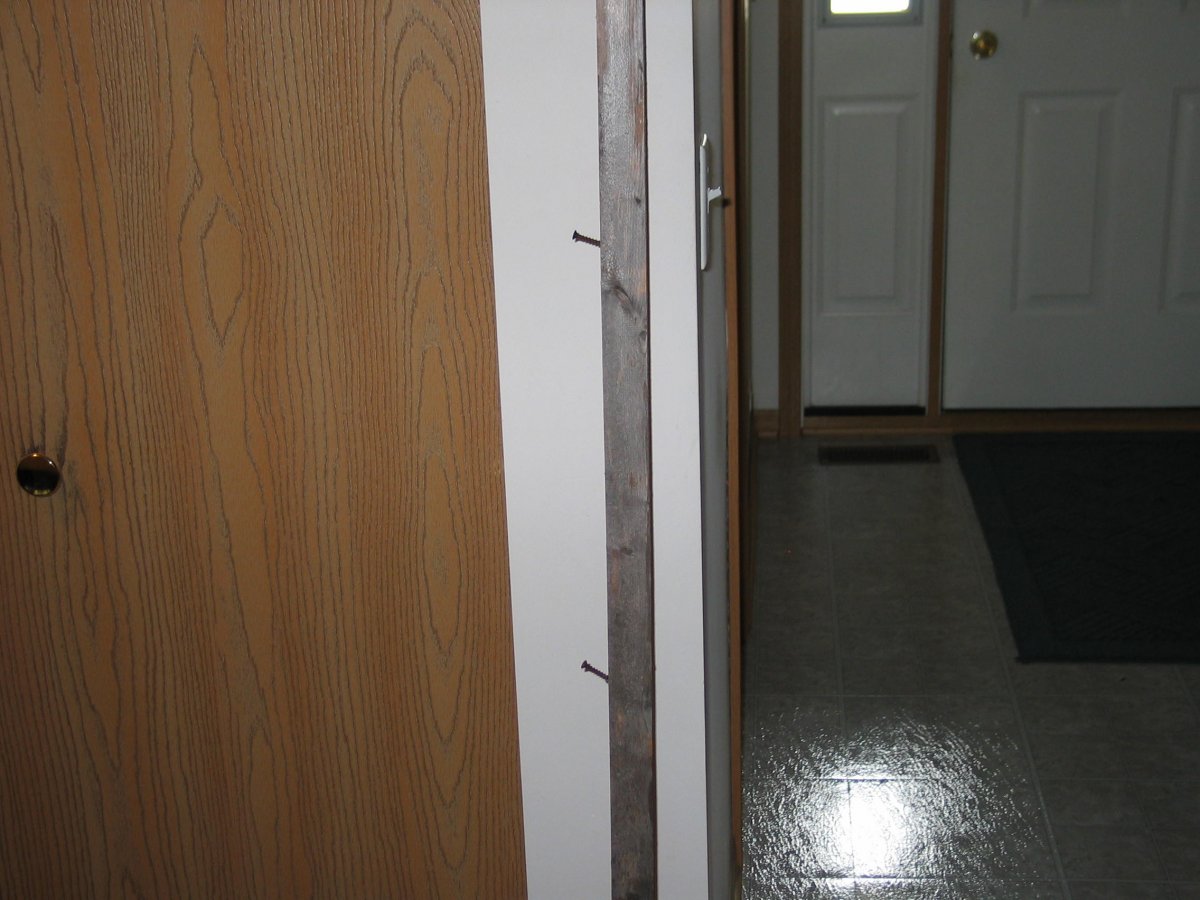
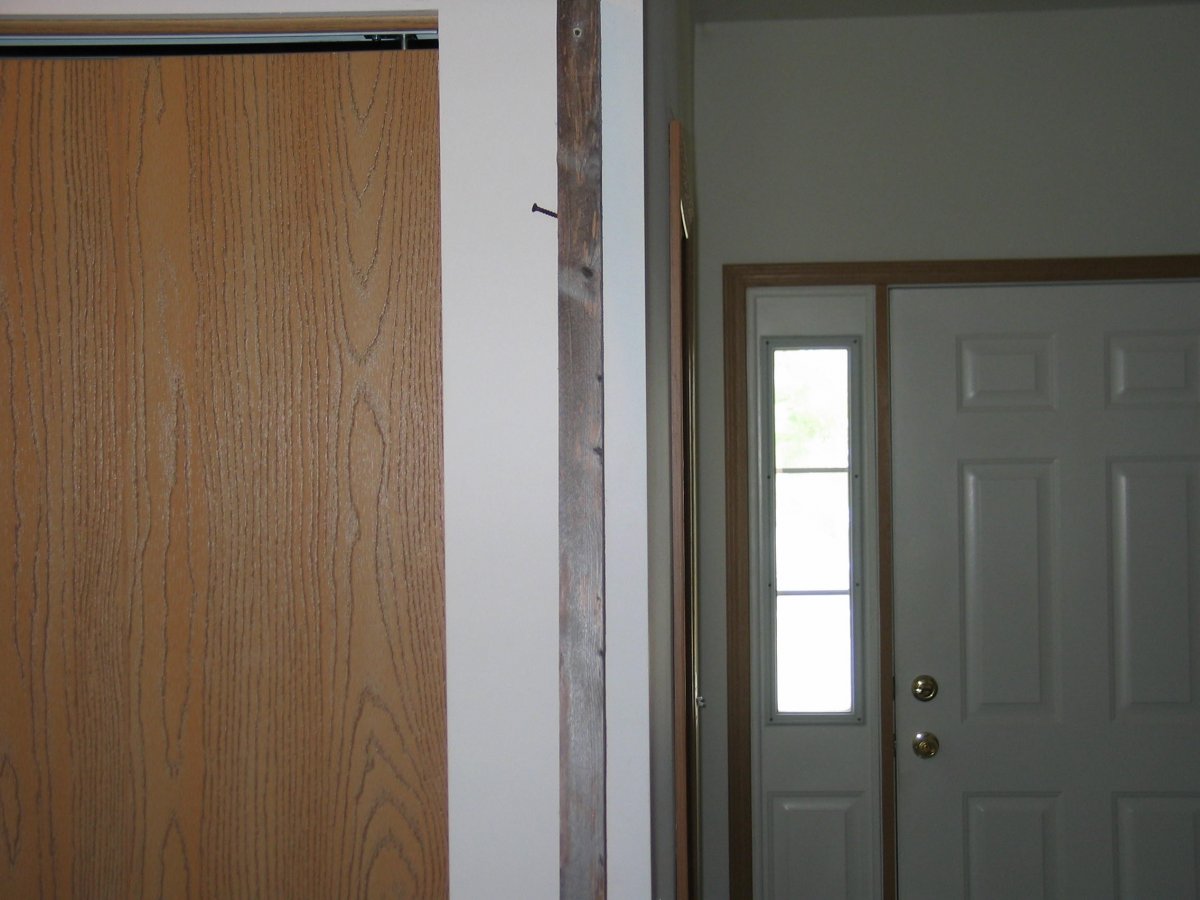
My pole beans are grown on single poles which are nothing more than 1 x 2 inch 96 inch long furing strips cut to 80 inches. With a tapered point cut on one end with my jigsaw to allow me to drive then into the ground fairly easily to about 12 to 14 inches. I use the the flat side of a carpenters hammer to do the job of driving them into the ground. I also put about three short screws about 2 inches long so the plants can catch on them in case we have a high wind event. I don't know if that's necessary but I don't take the chance of my pole vines winding up in a pile on the ground after severe weather has gone through the area. 65 mile winds can happen here several times duing a season. Below is three photos (bottom, middle section and top) of a pole set up with the scews driven in the wood.
So after I have all the poles cut and set up with screws and the soil tilled just the way I want. I drive the single poles into the ground in straight rows using strong twine attached to a metal steak and driven into the ground at each edge of my garden with the twine pulled tight so it reamains straight. I follow the staright twine placing each pole next to the string and space the poles the distance I want them to be in the row. Which is usually about 4 feet apart. After the poles are installed in a row. I then measure how much I want to move each stake for the distance I want my rows to be apart. So the photo below is how my pole bean plot looked after I installed all the poles in each row and planted all the seed around those poles and the plants all emerged from the soil around those poles about a week after planting. Straight rows make it a lot easier for me to do one cultivation with my tiller and till under the weeds between the rows. I till quite close to the plants when they are young and cultivate with the tiller shallowly. The pole bean plot below I removed weeds with my claw tool one row at a time before I rolled out all the garden fabric. I could do this plot with that tool in fairly short order as it is about 960 square feet.
The second photo below you can see how close I got with to the bush bean plants with my tiller before I rolled out and buttoned down all the garden fabric to stop weed growth. I use nail stakes that are 9 inches long to keep the weed fabric down on the ground. This bush bean plot would have been a lot more work cultivating with my hand tool as it is over 2,300 square feet.
9 inch nail stake for buttoning down my weed barrier fabric.




 one walked through my north garden last week and chewed off a few tops of some plants but it didn't linger and graze...


